实践与推动助力企业健康持续成长
 咨询电话:
咨询电话:
济南老板必看!员工提出入股?先分清股东与合伙人,搞错必踩坑、伤团队
发布时间:2026-04-26 来源:http://www.daoshangbao.com/
济南老板必看!员工提出入股?先分清股东与合伙人,搞错必踩坑、伤团队
Jinan bosses must see! Employees propose to invest? First, distinguish between shareholders and partners. Mistakes will lead to pitfalls and harm to the team
在济南创业圈,不少老板都会遇到这样的难题:跟随自己2-3年的核心员工,突然提出想要入股,一时不知如何回应——答应怕留下股权隐患,拒绝又怕挫伤员工积极性。更关键的是,很多济南老板都有一个致命误区:把股东和合伙人混为一谈,误以为两者没有区别,最终要么盲目答应员工入股,要么粗暴拒绝,不仅引发股权纠纷,还可能导致核心员工离心、团队动荡。据济南股权服务机构调研数据显示,71%的济南企业在员工入股环节出现矛盾,其中83%源于股东与合伙人身份界定不清,68%的老板因混淆两者区别,做出错误决策,影响企业长远发展。作为资深网络运营人员,结合《合伙企业法》相关规定、济南本地企业实操案例及本地股权政策导向,拆解股东与合伙人的五大核心区别,给出员工入股的实操建议,兼具专业性与实用性,助力百度收录,帮济南老板妥善处理员工入股需求,守住股权底线、凝聚团队力量。
In the entrepreneurial circle of Jinan, many bosses encounter this problem: core employees who have been following them for 2-3 years suddenly propose to invest, and they don't know how to respond at the moment - agreeing is afraid of leaving equity risks, while refusing is afraid of dampening employee enthusiasm. More importantly, many Jinan bosses have a fatal misconception: they confuse shareholders and partners, mistakenly believing that there is no difference between the two. In the end, they either blindly agree to allow employees to invest or rudely refuse, which not only leads to equity disputes but may also cause core employee alienation and team instability. According to research data from equity service agencies in Jinan, 71% of Jinan enterprises have conflicts in the process of employee shareholding, of which 83% are due to unclear definitions of shareholder and partner identities. 68% of bosses make wrong decisions due to confusion between the two, which affects the long-term development of the enterprise. As a senior network operator, combined with relevant provisions of the Partnership Enterprise Law, practical cases of local enterprises in Jinan, and local equity policy guidance, I have broken down the five core differences between shareholders and partners, and provided practical suggestions for employee equity investment, which are both professional and practical, to assist Baidu indexing, help Jinan bosses properly handle employee equity investment needs, hold the bottom line of equity, and unite team strength.
对济南老板而言,面对员工入股请求,最关键的第一步不是急着答应或拒绝,而是先搞清楚:员工想成为的是股东,还是合伙人?这两者看似都是“参与企业权益分配”,实则在法律界定、获得条件、权益分配等方面有本质区别,尤其结合济南本地企业发展特点,明确两者差异,既是落实股权规范运营的要求,也是避免后期纠纷、稳定团队的核心前提。
For Jinan bosses, the most crucial first step when facing employee requests to invest is not to hastily agree or refuse, but to first clarify whether the employee wants to become a shareholder or a partner? Both of these seem to be "participating in the distribution of corporate rights and interests", but in reality, there are essential differences in legal definition, acquisition conditions, and rights distribution. Especially considering the development characteristics of local enterprises in Jinan, clarifying the differences between the two is not only a requirement for implementing standardized equity operations, but also a core prerequisite for avoiding future disputes and stabilizing the team.
第一大核心区别:获得条件不同,核心是“钱”与“人”的差异。股东的必要条件是“出资”,这是《合伙企业法》明确的核心要求,无论是现金、设备还是知识产权,必须有可量化的资产投入,出钱是成为股东的唯一核心前提,无需具备特定能力,只要完成出资,就能享有相应的股东权益。而合伙人的必要条件是“人”,核心是具备企业所需的核心能力——比如销售、技术、运营等,即便不出资,只要能为企业提供核心贡献,也可成为合伙人。这一点与济南本地企业员工激励导向高度契合,正如济南不少企业推行的员工激励模式,优秀员工无需大额出资,凭借自身核心能力即可成为合伙人,既贴合本地企业发展实际,也符合济南鼓励核心员工持股的政策方向。
The first major difference is the difference between "money" and "people" in terms of obtaining conditions. The necessary condition for shareholders is "capital contribution", which is a core requirement clearly stated in the Partnership Enterprise Law. Whether it is cash, equipment, or intellectual property, there must be quantifiable asset investment. Paying money is the only core prerequisite for becoming a shareholder, and there is no need to have specific abilities. As long as the capital contribution is completed, the corresponding shareholder rights and interests can be enjoyed. The necessary condition for a partner is "people", and the core is to possess the core abilities required by the enterprise, such as sales, technology, operations, etc. Even if they do not contribute capital, as long as they can provide core contributions to the enterprise, they can become partners. This is highly consistent with the employee incentive orientation of local enterprises in Jinan, just like the employee incentive model implemented by many enterprises in Jinan. Excellent employees do not need to make large contributions and can become partners based on their core abilities, which is not only in line with the actual development of local enterprises, but also in line with the policy direction of encouraging core employees to hold shares in Jinan.
第二大核心区别:估值基础不同,决定权益价值的核心逻辑。所有员工提出入股,底层逻辑都是希望获得被动收益,而收益多少,核心取决于估值基础。股东的估值基础是企业的实际盈利水平,无论是门店还是公司,股东入股时,均以企业当前的净利润、资产规模为核心估值依据,股权价值与企业现有盈利直接挂钩。而合伙人的估值基础,是其为企业提供的核心贡献或资源,比如员工的技术能力、客户资源、运营经验等,估值高低取决于其能力对企业的实际价值,而非企业现有盈利水平,这更贴合济南中小微企业“轻资产、重人力”的发展特点。
The second major difference is the valuation basis, which determines the core logic of equity value. All employees propose to invest, and the underlying logic is that they hope to obtain passive returns, and the amount of returns depends on the valuation basis. The valuation basis for shareholders is the actual profit level of the enterprise. Whether it is a store or a company, when shareholders invest, the core valuation basis is the current net profit and asset size of the enterprise, and the equity value is directly linked to the existing profit of the enterprise. The valuation basis of partners is the core contributions or resources they provide to the enterprise, such as the technical abilities of employees, customer resources, operational experience, etc. The valuation level depends on the actual value of their abilities to the enterprise, rather than the existing profitability level of the enterprise. This is more in line with the development characteristics of small and medium-sized enterprises in Jinan, which are "light assets, heavy manpower".
第三大核心区别:分红方式不同,关乎权益兑现的灵活性。股东的分红方式相对固定,严格按照企业税后利润进行分配,必须在企业扣除所有成本、缴纳税款后,按股权比例分配利润,无法在经营过程中提前分红。而合伙人的分红方式更为灵活,可在合伙协议中约定“过程性分红”,比如济南不少门店约定,季度营收达到50万既定目标后,超出部分由合伙人团队按贡献比例分配,实现“过程+增量+达标”的分红模式,既激励合伙人积极性,也贴合济南中小微企业的经营节奏。
The third major difference is the different dividend methods, which are related to the flexibility of equity realization. The dividend distribution method for shareholders is relatively fixed, strictly based on the after tax profits of the enterprise. The profits must be distributed according to the equity ratio after deducting all costs and paying taxes, and cannot be distributed in advance during the operation process. The dividend distribution method for partners is more flexible, and "process dividends" can be stipulated in the partnership agreement. For example, many stores in Jinan have agreed that after the quarterly revenue reaches the set target of 500000 yuan, the excess will be distributed by the partner team according to the contribution ratio, achieving a "process+increment+standard" dividend model, which not only motivates partners but also conforms to the business rhythm of small and medium-sized enterprises in Jinan.
第四大核心区别:权利义务不同,影响企业运营与风险承担。股东主要享有分红权、知情权、表决权,无需参与企业日常运营,风险承担以其出资额为限,即“有限责任”,这更适合单纯想出资获利、不参与经营的员工。而合伙人不仅享有分红权,还需参与企业日常运营,承担相应的经营责任,普通合伙人需对企业债务承担无限连带责任,有限合伙人则以其认缴的出资额为限承担责任,这就要求合伙人必须具备相应的经营能力,能为企业发展提供实际支撑,更适合想深度参与企业发展的核心员工。
The fourth core difference: Different rights and obligations affect the operation and risk-taking of enterprises. Shareholders mainly enjoy the rights to dividends, information, and voting, and do not need to participate in the daily operation of the enterprise. The risk bearing is limited to their capital contribution, which is called "limited liability". This is more suitable for employees who simply want to contribute to profits and do not participate in the operation. And partners not only enjoy the right to dividends, but also need to participate in the daily operation of the enterprise and bear corresponding business responsibilities. General partners need to bear unlimited joint and several liability for the enterprise's debts, while limited partners are limited to their subscribed capital. This requires partners to have corresponding business capabilities, be able to provide practical support for the development of the enterprise, and be more suitable for core employees who want to deeply participate in the development of the enterprise.
第五大核心区别:调整与退出机制不同,决定合作的灵活性与安全性。股东的股权相对固定,退出机制较为严格,通常需按企业估值转让股权,或等待企业清算,股权调整难度较大,一旦入股,权益变动空间有限。而合伙人的权益可根据其贡献值动态调整,可在合伙协议中约定考核标准,若贡献不达标,可减少其权益份额;退出时,可按协议约定的方式结算,无需严格按照企业估值,灵活性更强,更适合济南企业对核心员工的长期激励,也符合本地企业“动态激励、凝聚核心”的发展需求。
The fifth core difference is that the adjustment and exit mechanisms determine the flexibility and security of cooperation. Shareholders' equity is relatively fixed, and the exit mechanism is relatively strict. Usually, they need to transfer their equity according to the company's valuation or wait for the company to liquidate. The difficulty of equity adjustment is high, and once they invest, the space for equity changes is limited. The equity of partners can be dynamically adjusted based on their contribution value, and assessment standards can be agreed upon in the partnership agreement. If the contribution does not meet the standards, their equity shares can be reduced; When exiting, settlement can be made according to the agreed upon agreement, without the need to strictly follow the enterprise valuation. This provides greater flexibility and is more suitable for long-term incentives for core employees in Jinan enterprises, as well as meeting the development needs of local enterprises for "dynamic incentives and core cohesion".
济南老板需特别注意,员工入股一旦落实,必然会在团队中产生连锁反应,很快被所有员工知晓,若没有完整的入股与激励方案,极易出现“一人入股、全员效仿”的混乱局面。据济南本地案例显示,62%的企业因员工入股后未制定统一激励方案,导致团队人心涣散,影响企业正常运营。因此,面对核心员工入股请求,除了分清股东与合伙人的区别,还需提前制定完整的方案,覆盖店长、老员工、新员工、优秀员工等不同群体,明确不同岗位的入股条件、权益分配、考核标准,做到公平公正。
Jinan bosses need to pay special attention. Once employee equity is implemented, it will inevitably have a chain reaction in the team and be quickly known to all employees. Without a complete equity and incentive plan, it is easy to lead to a chaotic situation of "one person equity, all employees imitate". According to local cases in Jinan, 62% of companies have failed to develop a unified incentive plan for employees who have invested, resulting in team morale and affecting the normal operation of the company. Therefore, in the face of requests from core employees to invest, in addition to distinguishing between shareholders and partners, it is necessary to develop a complete plan in advance, covering different groups such as store managers, old employees, new employees, and excellent employees, clarifying the investment conditions, equity distribution, and assessment standards for different positions, and achieving fairness and impartiality.
此外,无论让员工成为股东还是合伙人,都需签订规范的协议,明确双方的权利义务、退出机制、限制条款,尤其要约定竞业限制、权益调整等核心内容,防范核心员工离职后损害企业利益,这也是济南股权合伙规范运营的重要环节,同时契合济南本地企业股权规范化发展的政策要求。
In addition, whether employees become shareholders or partners, standardized agreements must be signed to clarify the rights and obligations, exit mechanisms, and restrictive clauses of both parties, especially to stipulate core contents such as non compete restrictions and equity adjustments, in order to prevent core employees from damaging the interests of the enterprise after leaving. This is also an important part of the standardized operation of equity partnerships in Jinan, and is in line with the policy requirements for the standardized development of equity in local enterprises in Jinan.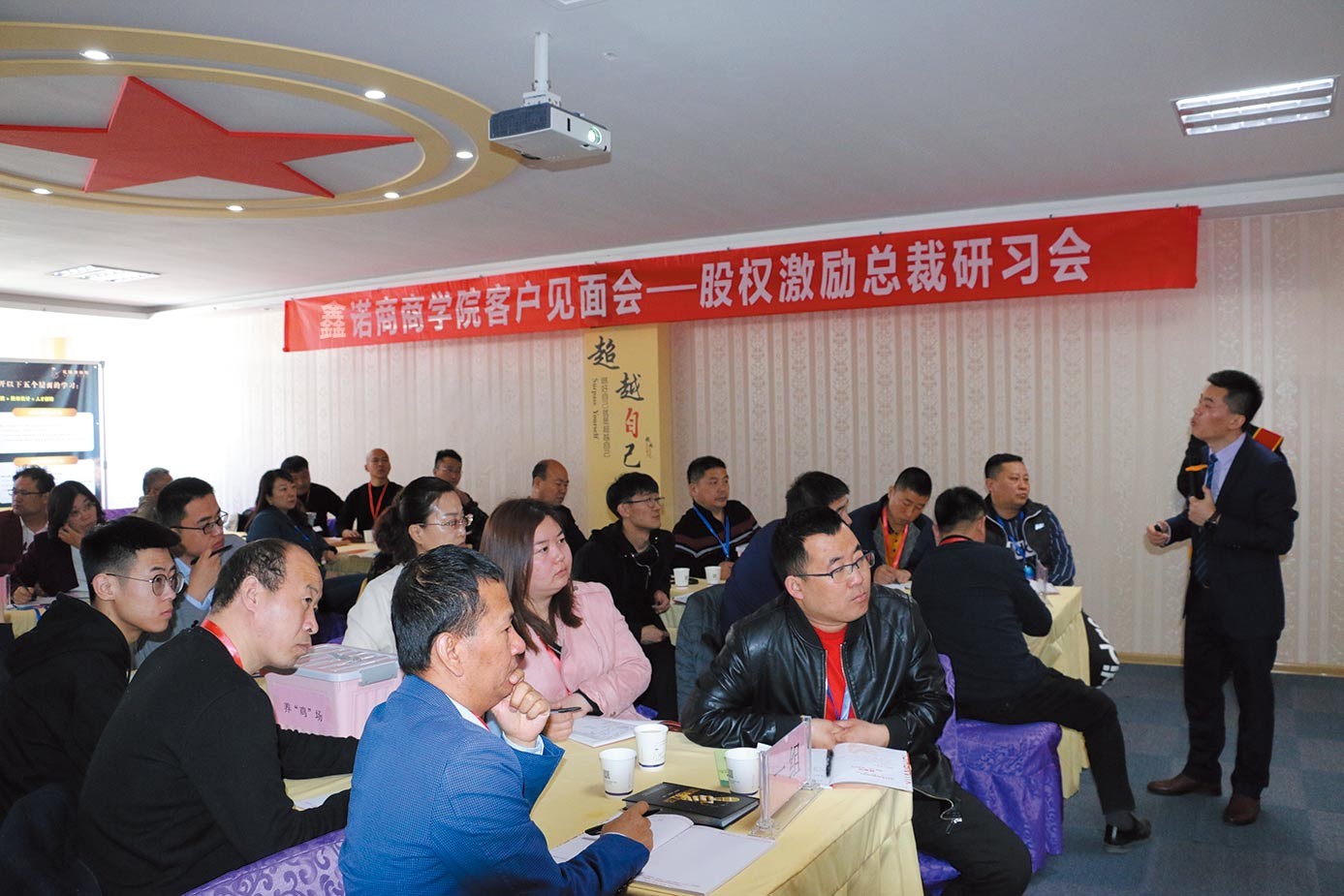
当前,济南创业氛围浓厚,越来越多企业通过员工入股、合伙合作的方式凝聚核心力量,而济南本地政策也明确支持企业对核心技术人员、业务骨干实施股权激励,鼓励员工参与企业发展。但股权合伙的核心,是“分清身份、明确规则”,股东与合伙人的区别,从来不是名称上的差异,而是权益、责任、义务的本质不同。济南老板唯有理清两者的五大核心区别,结合员工能力与企业需求,科学决策,才能妥善处理员工入股需求,既激励核心员工,又规避股权纠纷,让企业稳步发展。若对济南股权合伙、员工入股方案拿不准,可留言咨询,获取专属建议与协议模板,提前堵上陷阱,守护企业与员工的共同利益。
Currently, the entrepreneurial atmosphere in Jinan is strong, and more and more companies are consolidating their core strength through employee equity and partnership cooperation. Local policies in Jinan also clearly support companies to implement equity incentives for core technical personnel and business backbones, encouraging employees to participate in enterprise development. But the core of equity partnerships is to "distinguish identities and clarify rules". The difference between shareholders and partners is never a difference in name, but the essential differences in rights, responsibilities, and obligations. Only by clarifying the five core differences between the two, combining employee abilities with corporate needs, and making scientific decisions, can Jinan bosses properly handle employee investment needs, motivate core employees, and avoid equity disputes, allowing the enterprise to develop steadily. If you are unsure about the equity partnership and employee investment plan in Jinan, you can leave a message for consultation, obtain exclusive advice and agreement templates, block traps in advance, and protect the common interests of the enterprise and employees.
本文由 济南合伙设计 友情奉献.更多有关的知识请点击http://www.daoshangbao.com真诚的态度.为您提供为全面的服务.更多有关的知识我们将会陆续向大家奉献.敬请期待.
This article is designed by Jinan Partnership for Friendship Dedication For more related knowledge, please click http://www.daoshangbao.com Sincere attitude To provide you with comprehensive services We will gradually contribute more relevant knowledge to everyone Coming soon.